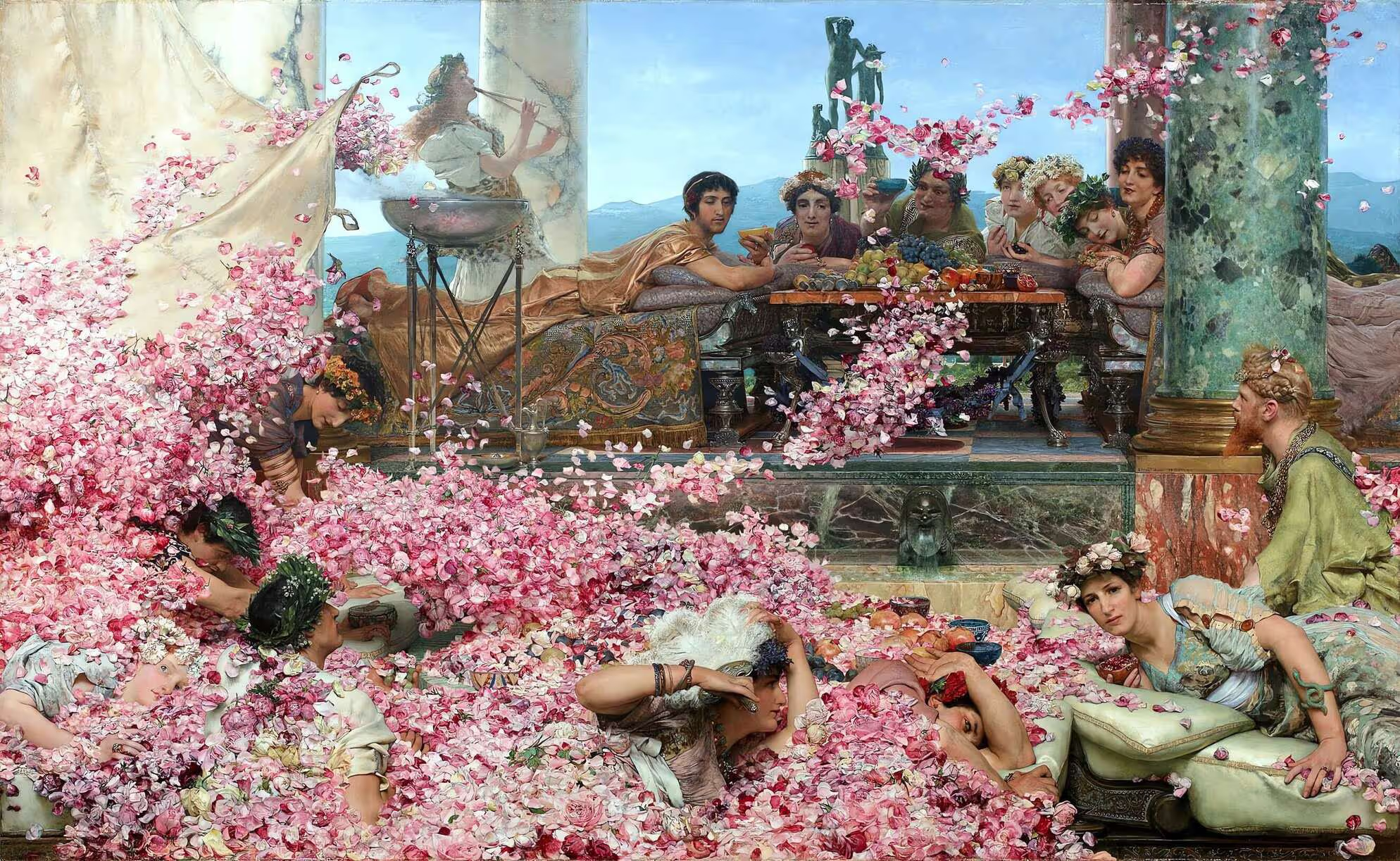
Rooted in France and Belgium, the movement quickly spread across Europe, influencing not only visual arts but also literature, theater, and music. Symbolism aimed to reveal the hidden, intangible aspects of existence, delving into themes like mythology, the subconscious, and the mysteries of life and death.
In contrast to realism’s focus on depicting the material world, Symbolism turned inward, exploring the mystical and universal. Artists like Gustave Moreau, Odilon Redon, and Jean Delville painted surreal, dreamlike scenes imbued with rich symbolism and allegory. Writers such as Charles Baudelaire, Stéphane Mallarmé, and Paul Verlaine used poetry to evoke emotions and abstract ideas, laying the foundation for the movement. The Symbolists rejected the mundane and embraced a vision of art that transcended reality, touching on spiritual and philosophical truths.
"Art is a creation of a higher order, reflecting the soul rather than the material world." – Odilon Redon
This movement’s influence was profound, shaping modernist art and literature in the 20th century. By emphasizing abstraction and metaphor, Symbolism inspired avant-garde movements like Surrealism, Expressionism, and Abstract Art, bridging the gap between Romanticism and modern artistic innovation. Its focus on evoking emotions and exploring the subconscious allowed art to transcend its traditional boundaries, enabling a deeper engagement with the spiritual and emotional aspects of human existence.
Symbolism’s enduring appeal lies in its ability to transport audiences into realms of imagination and introspection, redefining art as a vehicle for exploring the human condition. By prioritizing mood and metaphysical themes, the movement opened new possibilities for narrative structure and artistic form, influencing poetry, music, and theater. Its legacy persists as a reminder of art’s transformative power, connecting audiences with universal truths and the profound mysteries of existence.
Początki i Ewolucja
Symbolism originated in France and Belgium during the late 19th century, emerging as a profound reaction to the rigid materialism of realism and the scientific objectivity of naturalism. Deeply influenced by Romanticism, Symbolists sought to transcend the visible world, delving into the emotional, spiritual, and mystical dimensions of existence. At its heart, Symbolism rejected the depiction of reality as it is, focusing instead on universal truths, metaphors, and allegories to evoke feelings and ideas that could not be expressed literally.
Początki Symbolizmu
Ruch rozpoczął się od dzieł literackich poetów, takich jak Charles Baudelaire, którego przełomowa kolekcja The Flowers of Evil (1857) blended beauty with dark, esoteric themes. Baudelaire’s emphasis on the symbolic and the unseen laid the groundwork for Symbolist ideals, inspiring poets like Paul Verlaine, Stéphane Mallarmé, and Arthur Rimbaud. Mallarmé, in particular, championed the idea of evoking emotion and meaning through ambiguity and abstraction, famously stating, “To name an object is to suppress three-quarters of the enjoyment of the poem.”
"The visible universe is but a storehouse of images and signs." – Charles Baudelaire
Przełomowy wiersz Rimbauda, The Drunken Boat (Le Bateau ivre, 1871), epitomized the Symbolist ethos by blending vivid imagery with themes of spiritual exploration, freedom, and disillusionment. His use of surreal and symbolic language, such as in the line, “I saw that heaven allowed man to dream,” reflects the Symbolist conviction that art should transcend the physical world to reveal profound, inner truths. Rimbaud’s vision of poetry as a means to unlock the mysteries of existence profoundly influenced the development of Symbolism, emphasizing the pursuit of meaning through abstraction and emotional depth.

Rozszerzenie na sztuki wizualne
In the 1880s, Symbolism began to extend beyond literature into the realm of visual arts, transforming its ideals into a rich tapestry of metaphoric and allegorical imagery. Rejecting the detailed and literal depictions of realism, Symbolist artists sought to create works that were evocative, dreamlike, and otherworldly. They believed art should transcend the material world, delving into the spiritual, emotional, and mythical aspects of human experience. This transition marked a pivotal moment in the evolution of art, paving the way for abstraction and modernism.
"Sztuka jest najpiękniejszym ze wszystkich kłamstw." – Gustave Moreau
Jedną z najważniejszych postaci w tej transformacji był Gustave Moreau, którego dzieła łączyły misterną szczegółowość z żywą wyobraźnią. Obrazy Moreau często przedstawiały tematy mitologiczne i religijne, używając ich jako alegorii ludzkich pragnień, zmagań i transcendencji. Jego arcydzieło, The Apparition (1876), portrays Salome holding the severed head of John the Baptist, surrounded by an opulent and mystical atmosphere. The intricate patterns and rich colors evoke a sense of the divine and the mysterious, elevating a biblical story into a metaphysical exploration of power and desire.

Symbolizm i podświadomość
Symbolism’s exploration of the subconscious marked a transformative shift in the movement, aligning it with the emerging psychological theories of the late 19th century. While early Symbolist works focused on myth, allegory, and spirituality, the movement increasingly sought to delve into the hidden realms of the mind, reflecting a fascination with dreams, imagination, and internal states of being. This exploration laid the groundwork for the later avant-garde movements of Surrealism and Expressionism, which expanded on these themes.
Symbolist artists often rejected the concrete in favor of the ambiguous, crafting works that felt detached from time and space. The focus shifted from depicting external reality to creating dreamlike atmospheres that invited viewers to reflect on their own emotions and subconscious thoughts. These works aimed to capture what cannot be directly articulated: fears, desires, and spiritual longings.
"My drawings inspire, and are not to be defined. They place us, as does music, in the ambiguous realm of the undetermined." – Odilon Redon
Odilon Redon był jedną z kluczowych postaci w tej eksploracji. Jego dzieła, takie jak The Cyclops (1914), blend surreal landscapes with mythological and fantastical elements. In this painting, Redon transforms Polyphemus, the monstrous Cyclops of Greek mythology, into a tender, melancholic figure gazing at the nymph Galatea. The soft, ethereal tones create a sense of mystery, portraying the Cyclops not as a villain but as a symbol of unspoken longing and introspection.

Aesthetic Concept
Symbolism redefined artistic expression by emphasizing abstraction, mood, and spiritual resonance over realistic depiction. The movement sought to evoke emotional and metaphysical truths, often blurring the boundaries between reality and imagination. Artists used soft, ethereal colors, intricate patterns, and surreal compositions to create works that conveyed a sense of mystery, introspection, and otherworldly beauty.
Abstrakcyjna i metaforyczna obrazowość
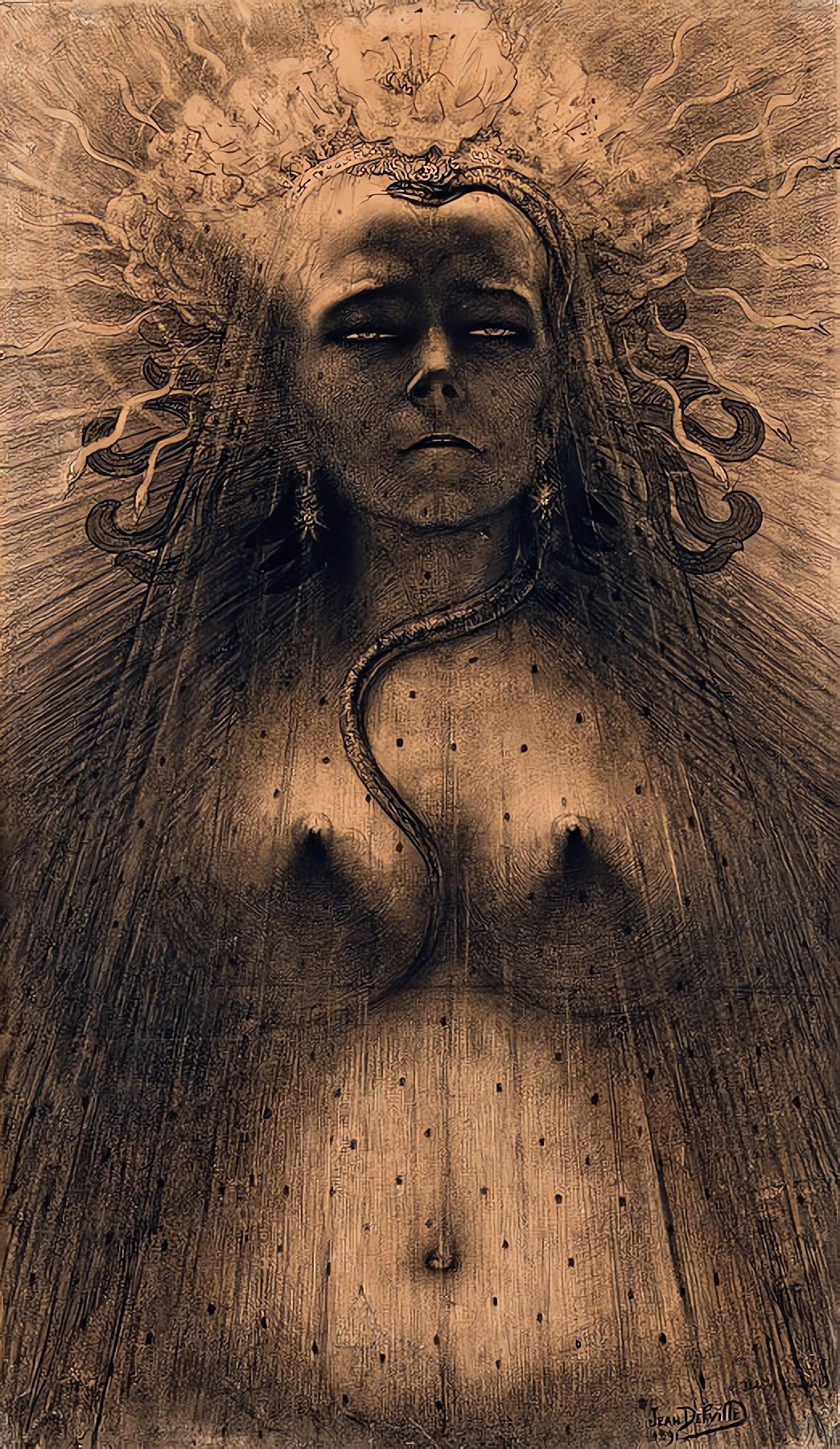
Symbolist art rejected literal representation, instead using abstract forms and metaphorical imagery to evoke feelings and ideas. Mythological and esoteric symbols were central, allowing artists to delve into universal themes of love, death, and the subconscious. For example, Jean Delville’s The Idol of Perversity (1891) depicts a mysterious and seductive figure surrounded by an aura of intrigue and ambiguity. The work blends mythological symbolism with psychological depth, exploring themes of desire and the darker aspects of the human psyche.
Skupienie na nastroju i atmosferze
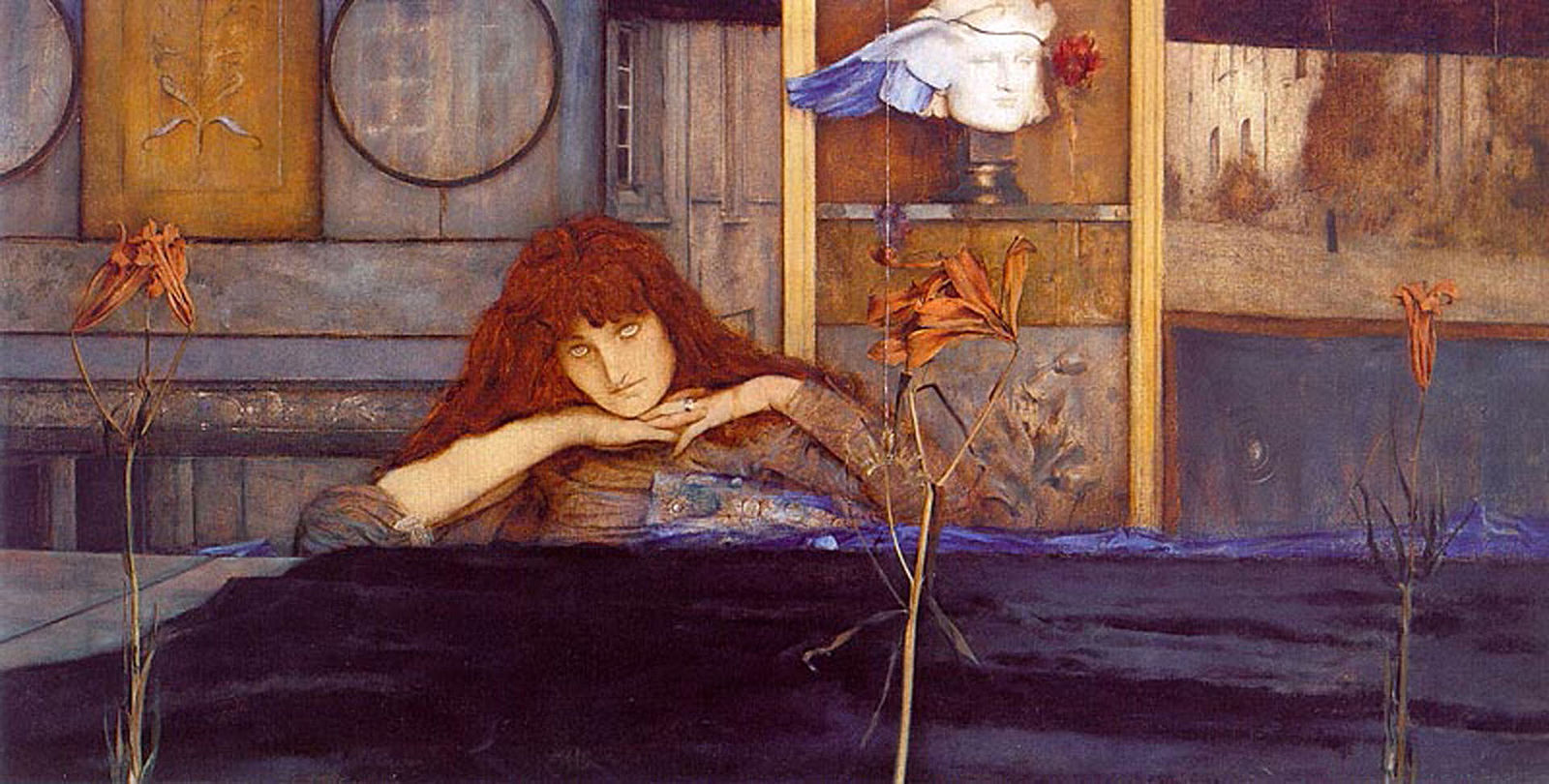
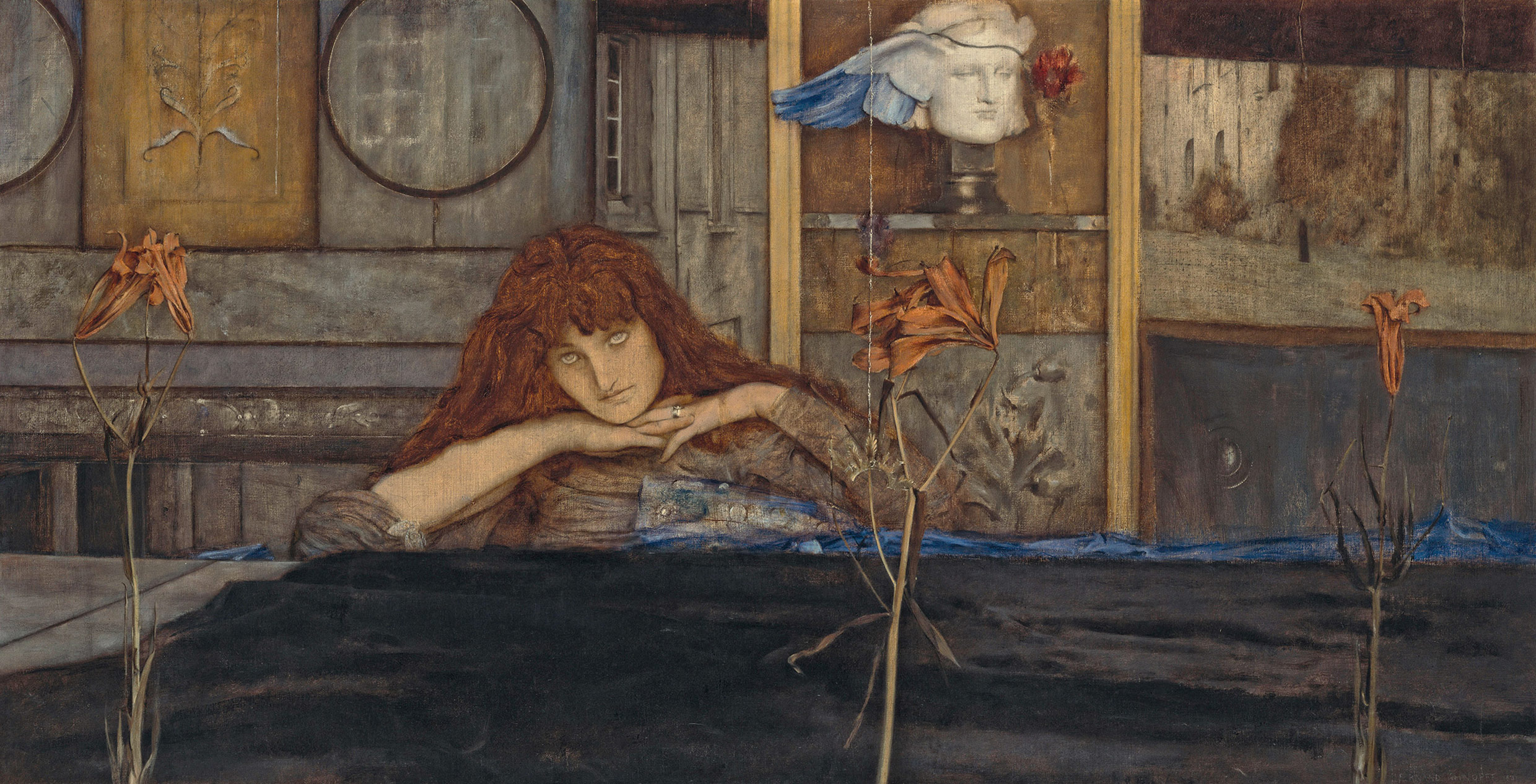
Mood was central to Symbolist aesthetics, with artists creating dreamlike atmospheres that invited viewers to engage emotionally and spiritually. These works often featured soft, muted tones, glowing light effects, and mysterious, shadowy elements. Fernand Khnopff, a Belgian Symbolist, excelled in crafting enigmatic and introspective scenes. His painting I Lock My Door Upon Myself (1891) portrays a solitary woman surrounded by symbolic elements, such as flowers and locked doors, representing introspection, isolation, and the mysteries of the human soul.
Eksploracja duchowości i podświadomości
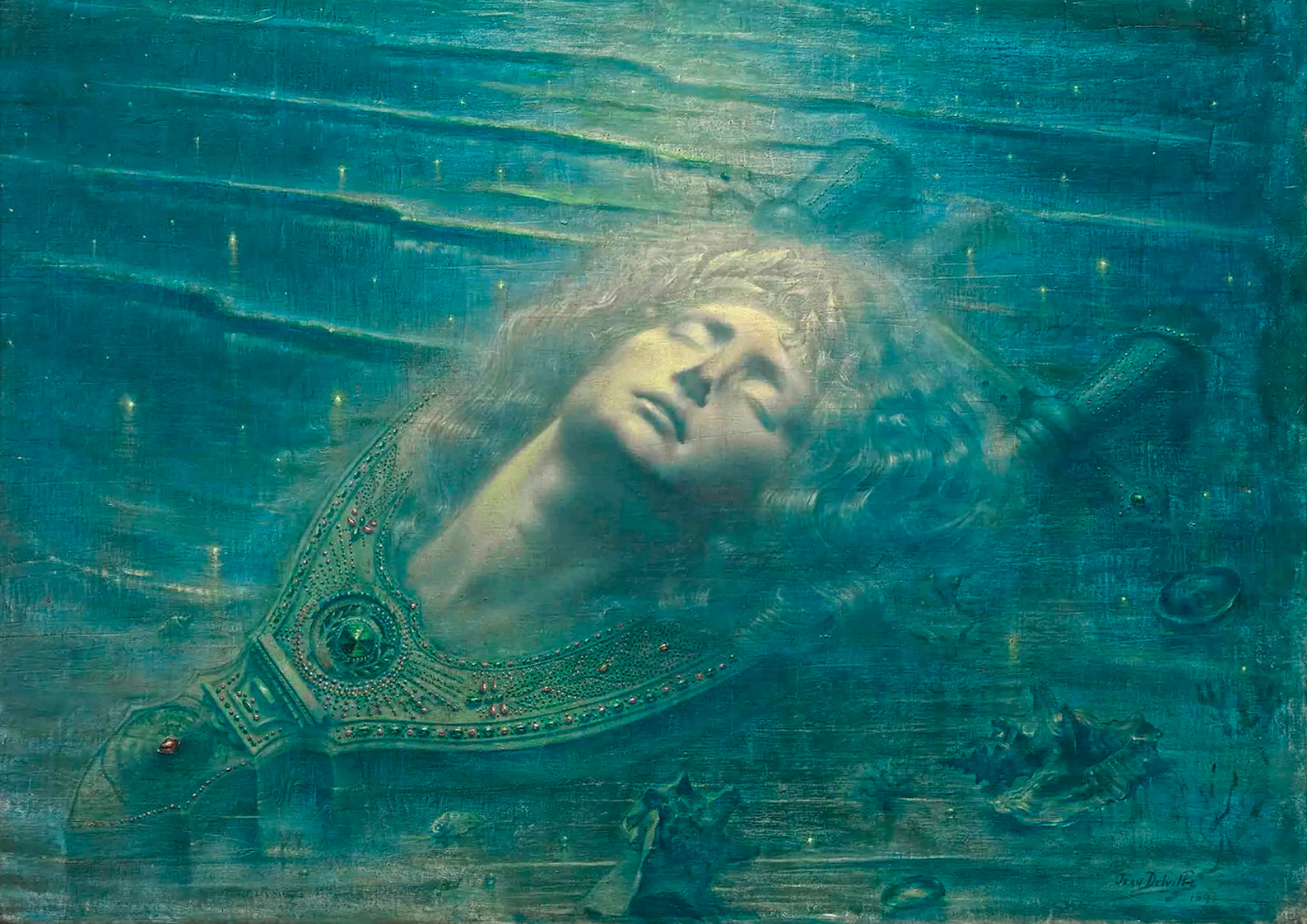
Symbolism’s aesthetic was deeply tied to spiritual and psychological exploration. Artists sought to visualize the subconscious mind and humanity’s connection to the divine. Jean Delville’s Orpheus (1893) embodies this approach, portraying the legendary poet as a symbol of artistic transcendence. Delville’s works often merged intricate details with cosmic and mystical themes, reflecting the Symbolist belief in art as a gateway to higher truths.
Fuzja koloru i symbolu
Color was central to the Symbolist aesthetic, not merely as a decorative feature but as a tool to evoke emotion, mood, and meaning. Symbolist artists used color to transcend realism, creating emotional landscapes that resonated with the viewer’s inner psyche. Each hue carried symbolic weight: warm tones like gold and red often represented passion, vitality, or divine energy, while cool tones like blue and green evoked tranquility, introspection, or the eternal. This deliberate use of color allowed Symbolists to guide the viewer’s emotional journey through their works.
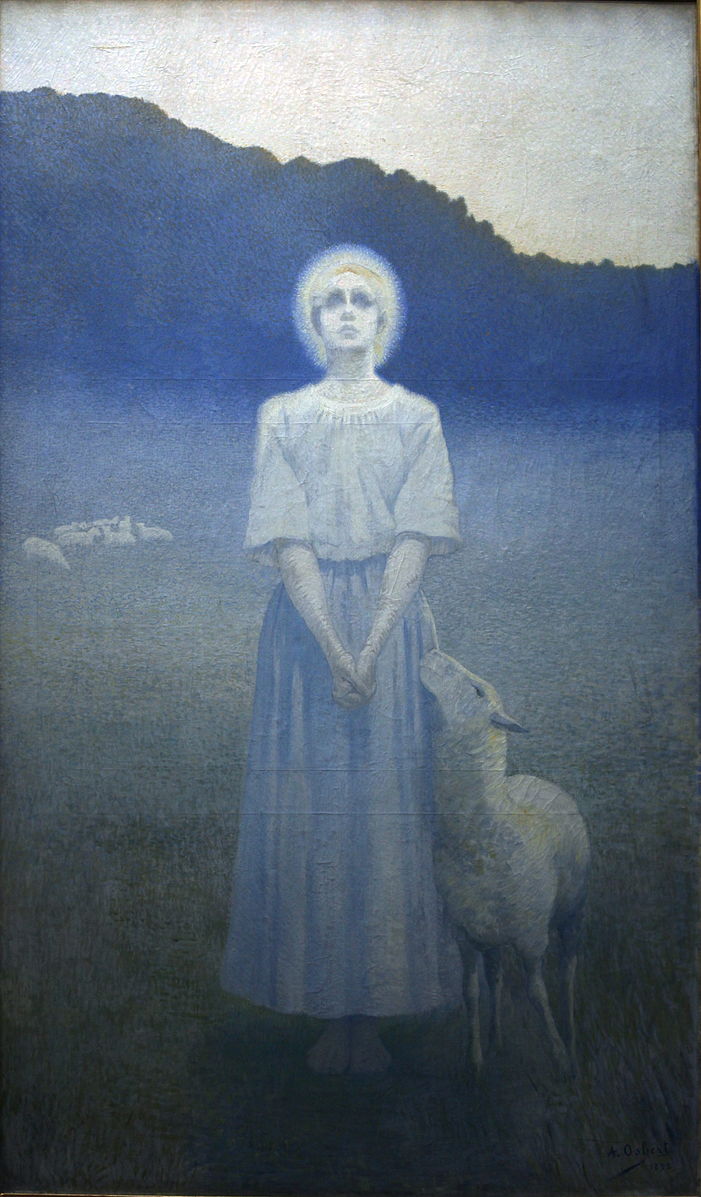
Alphonse Osbert, a lesser-known but remarkable Symbolist painter, masterfully employed color to evoke mystical and introspective atmospheres. In his painting Vision (1892), Osbert depicts a serene figure standing before a luminous, otherworldly landscape bathed in twilight hues of blue and violet. The ethereal glow of the scene reflects the figure's connection to the spiritual realm, blending the physical and metaphysical through the language of color.
The painting’s blue tones symbolize infinity and serenity, while the warm accents of gold in the horizon suggest a divine presence, representing the moment of enlightenment or spiritual awakening. Osbert’s use of gradation, where colors seamlessly transition from one to another, mirrors the gradual unfolding of mystical understanding, drawing the viewer into the scene’s meditative quality.
Themes and Motifs
Mitologia i duchowość
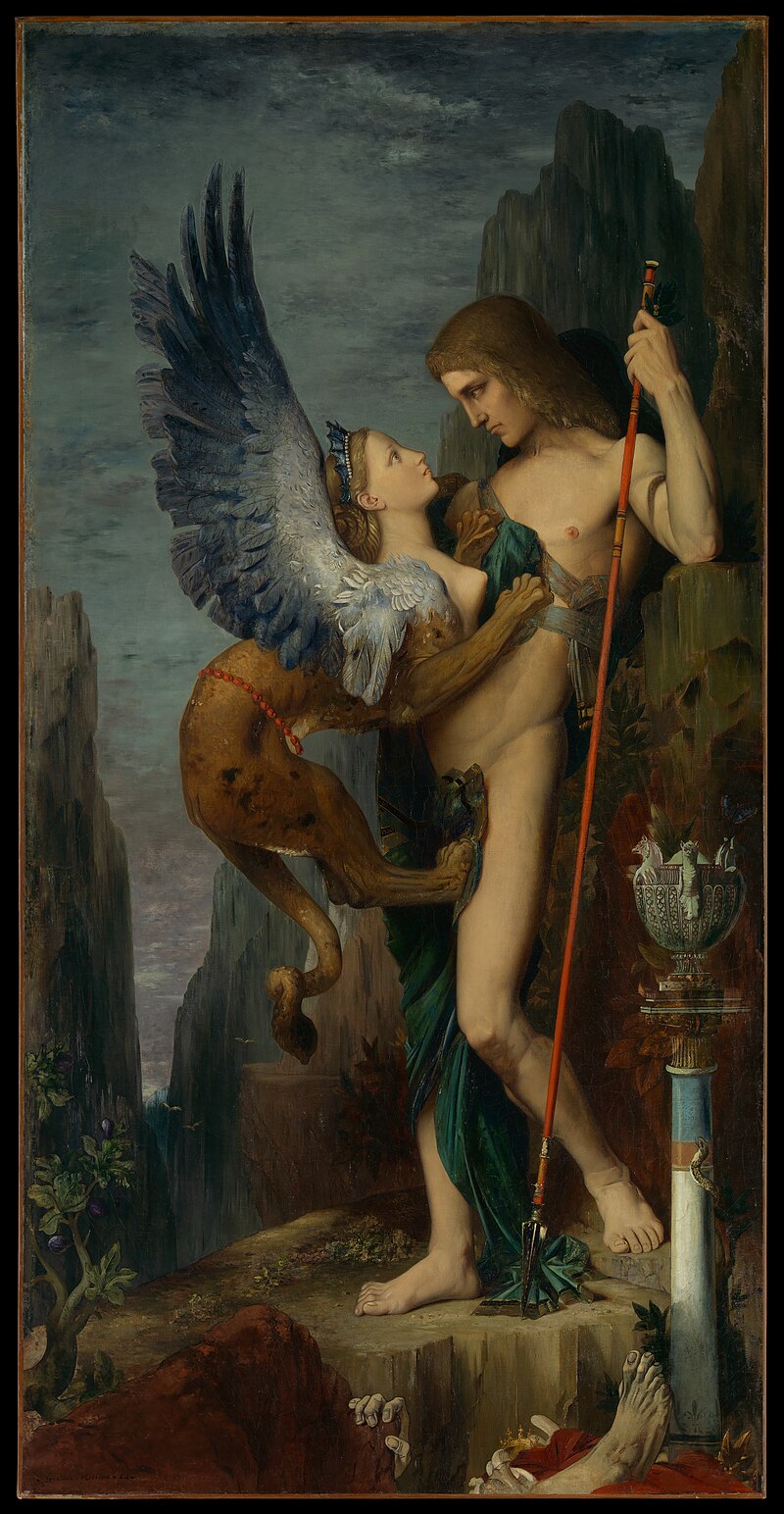
Symbolist artists used mythology not only to explore existential questions but to reinterpret ancient narratives as timeless allegories for modern dilemmas. These reimaginings focused on the tension between mortality and transcendence, often intertwining mythological figures with contemporary spiritual ideas. In Franz von Stuck’s painting Oedipus and the Sphinx (1891), the moment of confrontation between Oedipus and the enigmatic Sphinx is not depicted as a heroic act but as a dark, introspective encounter. The oppressive tones and foreboding composition transform the myth into an allegory of human confrontation with mystery and fate.
W dziełach takich jak The Sirens by Armand Point, mythological beings symbolize the alluring yet destructive forces of nature and desire. The intricate details and rich, glowing colors of Point’s work convey the tension between the physical and the spiritual, a central concern of Symbolist art.
The sirens, depicted as ethereal yet seductive figures, embody the irresistible pull of temptation while hinting at the inevitable consequences of succumbing to it. Their haunting beauty, surrounded by an otherworldly landscape, creates a powerful allegory for the internal struggles of human nature, capturing the Symbolist fascination with the interplay of light, shadow, and emotional depth.
Sny i podświadomość
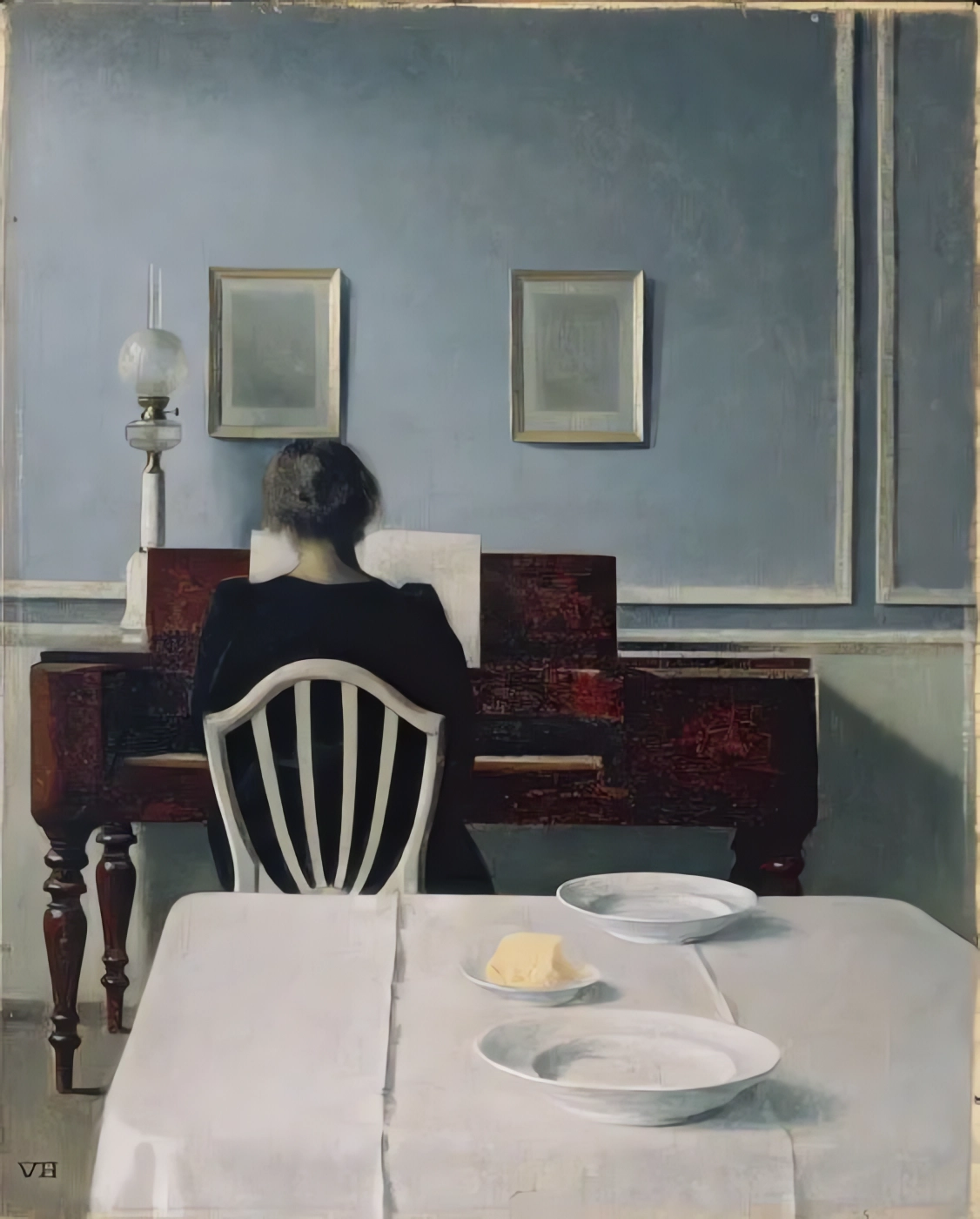
Symbolist art explored dreams as pathways to the subconscious, emphasizing the blurred boundaries between reality and imagination. Rather than portraying dreams as literal sequences, artists like Vilhelm Hammershøi suggested their presence through ambiguous spaces and muted palettes.
In Wnętrze z kobietą przy pianinie (1901), Hammershøi creates a scene that feels suspended in time, inviting viewers to experience its meditative, dreamlike stillness. The empty spaces and the subject's introspective pose reflect the ambiguity and subtle tension of the subconscious.
This approach to dreams resonated with early Symbolist writers and artists who considered the subconscious a fertile ground for creative inspiration. In Jan Toorop's The Bride (1893), the layered patterns and surreal motifs create an overwhelming sense of mystery, blending dream imagery with the spiritual undertones of marriage as a mystical union.
The intricate, swirling forms surrounding the bride evoke a dreamlike atmosphere, suggesting the complex emotions and spiritual depth associated with love and commitment. Toorop’s use of stylized, almost hypnotic details draws the viewer into a symbolic world, where the boundaries between reality, imagination, and the subconscious dissolve entirely.
Życie, śmierć i wieczność
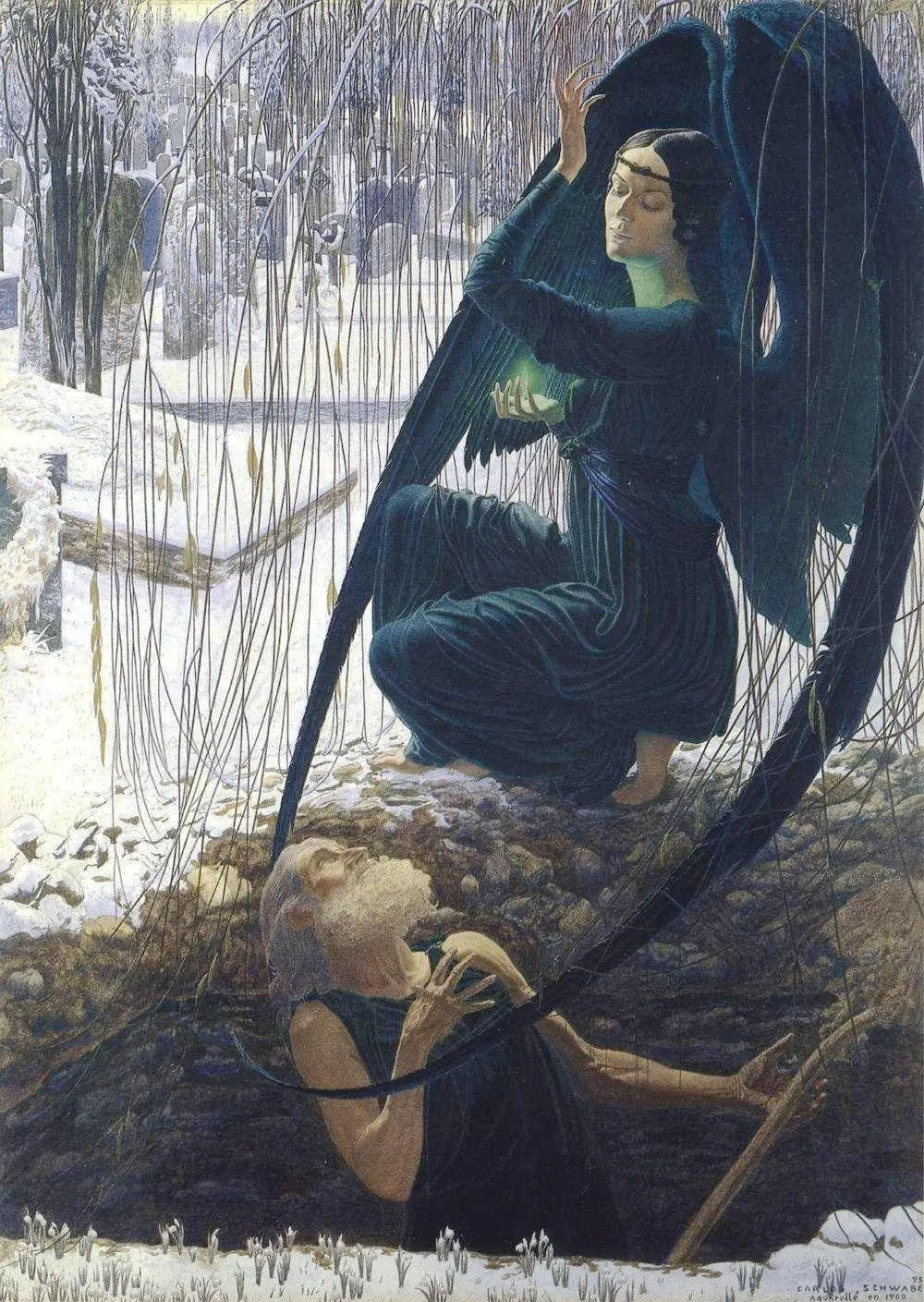
Symbolist works frequently addressed the cycle of life, mortality, and the promise of eternal existence. Artists approached these themes with a reverence that merged beauty and melancholy. Carlos Schwabe's Śmierć kopacza grobów (1895) epitomizes this motif, portraying death as a compassionate, angelic figure gently guiding a humble worker to eternal rest. Schwabe’s use of light and shadow reinforces the dichotomy of life and death, with the somber earthly tones contrasting the ethereal glow surrounding the angel.
"Śmierć jest tylko cieniem, przez który światło wiecznie świeci." – Carlos Schwabe
Podobnie, dzieło Alberta Pinkhama RyderaLatający Holender (ca. 1887) employs legend to convey the struggle of the soul against the eternal forces of fate. The ghostly ship in Ryder’s dark, textured composition becomes a symbol of both doom and immortality, expressing the tension between earthly existence and spiritual transcendence.
The turbulent waves and ominous skies surrounding the spectral vessel emphasize the emotional weight of the legend, reflecting the relentless challenges of human existence. Ryder’s muted palette and dramatic brushwork further enhance the painting’s haunting atmosphere, transforming the ship into a universal metaphor for perseverance, isolation, and the quest for meaning beyond mortality.
Impact and Influence
Symbolism profoundly reshaped the art world by challenging the boundaries of traditional representation and emphasizing the power of imagination, emotion, and spirituality. Its focus on metaphor and abstraction inspired numerous art movements, while its philosophical depth influenced a broad range of creative disciplines, including literature, theater, and music.
Wpływ na współczesne nurty sztuki
Symbolism laid the groundwork for several modern art movements, including Surrealism, Expressionism, and Abstract Art. By emphasizing the subconscious and the intangible, Symbolists inspired avant-garde artists like Salvador Dalí and René Magritte to delve deeper into dreamlike and fantastical themes. For example, Magritte’s Kochankowie (1928) reflects a Symbolist-like approach to creating ambiguous and introspective art, blending reality with surreal elements.
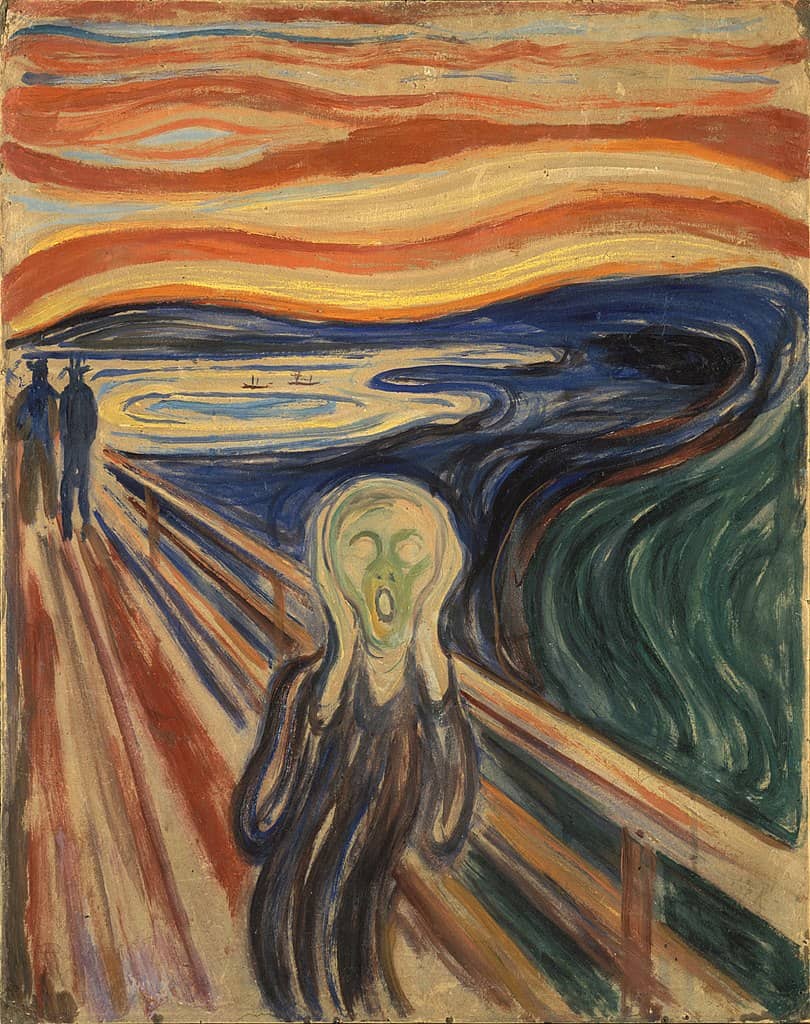
Podobnie, symbolistyczne skupienie na emocjonalnej głębi i duchowym transcendencie silnie wpłynęło na ekspresjonizm, co widać w dziełach Edvarda Muncha, którego ikoniczne The Scream (1893) captures a raw emotional state akin to the introspective tone of Symbolist art. The movement also set the stage for Abstract Art, particularly through the works of Wassily Kandinsky, who incorporated mystical and emotional abstraction in his paintings.
Wpływ na literaturę i poezję
Ideale literackie symbolizmu głęboko rezonowały z praktykami artystycznymi Fernanda Khnopffa, którego prace często odzwierciedlały ezoteryczny język, metaforyczną głębię i emocjonalną niejednoznaczność poezji symbolistycznej. Sztuka Khnopffa była głęboko inspirowana twórczością poetów takich jak Charles Baudelaire, Paul Verlaine i Stéphane Mallarmé, których tematy introspekcji, podświadomości i duchowego tęsknienia pokrywały się z jego własnymi wizualnymi poszukiwaniami.
W dziełach takich jak I Lock My Door Upon Myself (1891), Khnopff translated the metaphoric and introspective essence of Symbolist literature into visual form. The painting’s solitary figure, surrounded by symbols such as flowers and locked doors, reflects a retreat into the inner self, mirroring the introspective mood found in Symbolist poetry. The ambiguous setting and the figure’s distant expression evoke emotional depth and personal interpretation, much like the fragmented narratives of T.S. Eliot’s The Waste Land (1922), które zostało zainspirowane innowacjami symbolizmu.
Innowacje międzydyscyplinarne
Poza sztuką wizualną i literaturą, symbolizm wpływał na dyscypliny takie jak muzyka i teatr, integrując tematy mistycyzmu i abstrakcji. Kompozytorzy tacy jak Claude Debussy czerpali inspirację z poezji symbolistycznej, tworząc dzieła takie jak Clair de Lune evoking a dreamlike and emotional atmosphere. Debussy’s opera Pelléas et Mélisande (1902), oparta na sztuce Maeterlincka, oddaje nastrój i ton ruchu symbolistycznego, łącząc eteryczną muzykę z poetycznym dramatem.
Obraz Wyspa umarłych Arnolda Böcklina (1880) zainspirował liczne kompozycje muzyczne, w tym symfoniczny poemat Siergieja Rachmaninowa Isle of the Dead (1908). Böcklin’s haunting imagery of a solitary boat approaching a shadowy, mysterious island aligns with Symbolism’s focus on mysticism, spirituality, and emotional depth. The painting captures the same ethereal and introspective mood that composers like Claude Debussy and Rachmaninoff evoked in their music, demonstrating the movement’s influence across artistic disciplines.
.jpeg)
Przykłady reprezentatywne
Ogród śmierci Hugo Simbanga
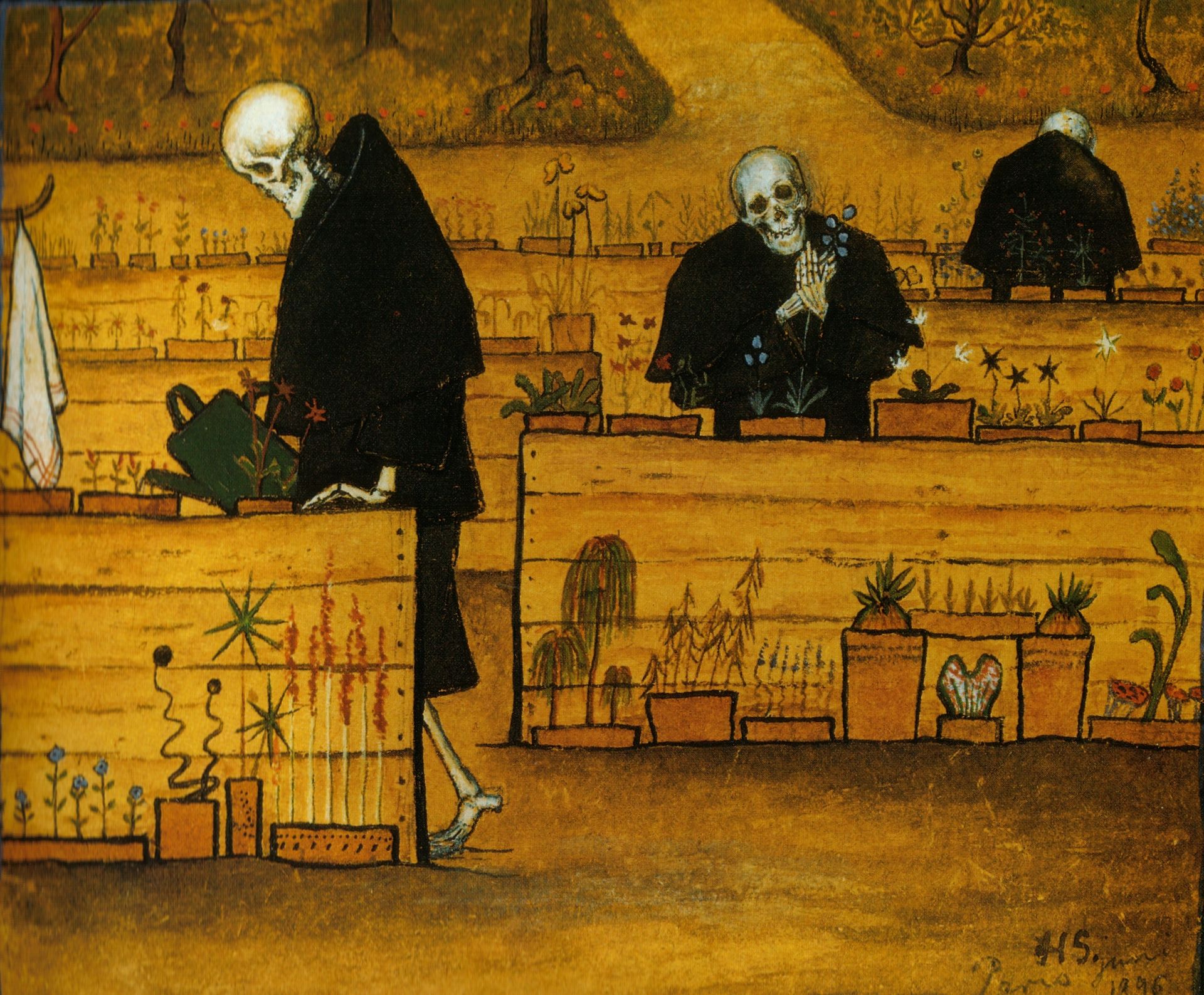
Hugo Simberg’s Ogród śmierci redefines traditional representations of death, portraying skeletons as gentle caretakers of a lush garden. This allegorical painting invites viewers to reconsider death not as an end but as part of the natural cycle of life. The skeletons, often symbols of fear, are depicted with tender gestures, watering and nurturing flowers with serene expressions.
Simberg’s muted palette of greens, browns, and grays reinforces the tranquil mood, while the delicate flowers symbolize rebirth and eternal life. The juxtaposition of death’s somber presence with the vibrant life of the garden reflects Symbolism’s fascination with the interconnectedness of opposites. The work evokes a sense of quiet reflection, encouraging viewers to contemplate their own mortality and the beauty of life’s impermanence.
Śmierć kopacza grobów Carla Schwabe
Carlos Schwabe’s Śmierć kopacza grobów is a poetic interpretation of mortality and redemption, key themes in Symbolist art. The painting depicts death as a compassionate, angelic figure adorned in flowing white robes, cradling a dying grave digger in a snowy cemetery. The juxtaposition of death’s gentle demeanor with the somber setting transforms it into a symbol of comfort and eternal rest, rather than fear.
Schwabe’s use of color intensifies the emotional impact: the cold blues and whites of the snow reflect the stillness of life’s end, while the warm, glowing aura surrounding the angel suggests divine mercy. The contrast between the barren cemetery and the angel’s light symbolizes the transition from earthly hardship to spiritual transcendence.
The detailed rendering of the grave digger’s tools and the snow-covered tombstones grounds the composition in reality, enhancing the emotional gravity of the scene. Schwabe’s blending of symbolism and realism invites viewers to contemplate the spiritual dimension of death as a redemptive force, rather than a tragic end.
Wizja po kazaniu Paula Gauguina
Paul Gauguin’s Wizja po kazaniu combines religious symbolism with abstraction, portraying a group of women in traditional Breton dress witnessing Jacob wrestling an angel. The painting’s bold, flat planes of color and vivid red background reflect a break from naturalism, emphasizing the spiritual intensity of the vision over physical realism.
Gauguin uses the composition to blur the lines between reality and imagination, capturing the Symbolist focus on mystical experiences and inner spirituality. The stark contrast between the simplicity of the women and the divine struggle reinforces the tension between earthly life and spiritual transcendence.
The red background dominates the composition, representing the fiery, emotional nature of the vision, while the angel and Jacob appear almost dreamlike, emphasizing the surreal and metaphysical qualities of the scene. Gauguin’s innovative use of abstraction and symbolism marked a pivotal moment in modern art’s exploration of spirituality and emotion.
.jpeg)
Upadek i dziedzictwo
Przygasające światło
Symbolism began to wane in the early 20th century as modernism and its various movements, such as Fauvism, Cubism, and Expressionism, gained prominence. The movement's introspective and mystical nature clashed with the increasingly rapid industrialization and urbanization of the world, which demanded art that engaged with contemporary realities. Critics began to view Symbolism as overly esoteric and detached from the social and political concerns of the time.
The shift toward abstraction in movements like Cubism and the raw emotional expressiveness of Expressionism further marginalized Symbolism’s emphasis on mood and allegory. By the 1910s, many Symbolist artists had either transitioned to other styles or faded into obscurity as newer, more dynamic art movements took center stage.
Kulturowy i artystyczny ślad symbolizmu
Despite its decline, Symbolism profoundly influenced the trajectory of modern art, leaving an indelible mark on subsequent movements. Surrealism, in particular, drew heavily from Symbolist themes, such as the exploration of the subconscious, dreams, and the mystical. Artists like Salvador Dalí and René Magritte expanded on Symbolism’s introspective and fantastical elements, transforming them into a new language of the avant-garde.
Ekspresjonizm, ze swoim skupieniem na intensywności emocjonalnej i duchowych zmaganiach, również odziedziczył podkreślenie nastroju i pytań egzystencjalnych charakterystyczne dla symbolizmu. Dzieła takie jak Edvarda Muncha The Scream odbijają symbolistyczne obawy o kruchość ludzkiego losu i poszukiwanie sensu wśród chaosu.
Dziedzictwo ruchu wykracza poza sztukę wizualną, obejmując literaturę, muzykę i teatr. Pisarze tacy jak T.S. Eliot i James Joyce czerpali inspirację z użycia metafory i niejednoznaczności w poezji symbolistycznej. Podobnie kompozytorzy jak Claude Debussy nasycali swoją muzykę symbolistycznymi nastrojami, co widać w dziełach takich jak Clair de Lune.

Conclusion - Symbolism redefined art and literature by emphasizing the emotional, spiritual, and metaphysical aspects of human experience. By rejecting realism and naturalism, it created a space for introspection, abstraction, and imagination, inspiring works that transcended their time. Its exploration of dreams, mythology, and the subconscious laid the foundation for modern movements like Surrealism and Expressionism, while its influence extended into music, theater, and poetry. Symbolism’s legacy endures as a testament to the transformative power of art to explore the intangible and connect with the profound truths of existence.
Przykłady wizualne
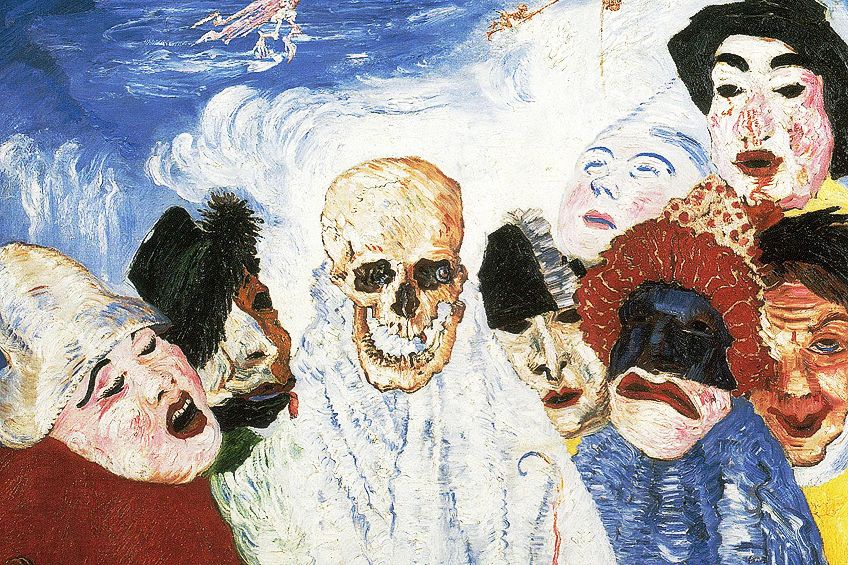
.jpeg)
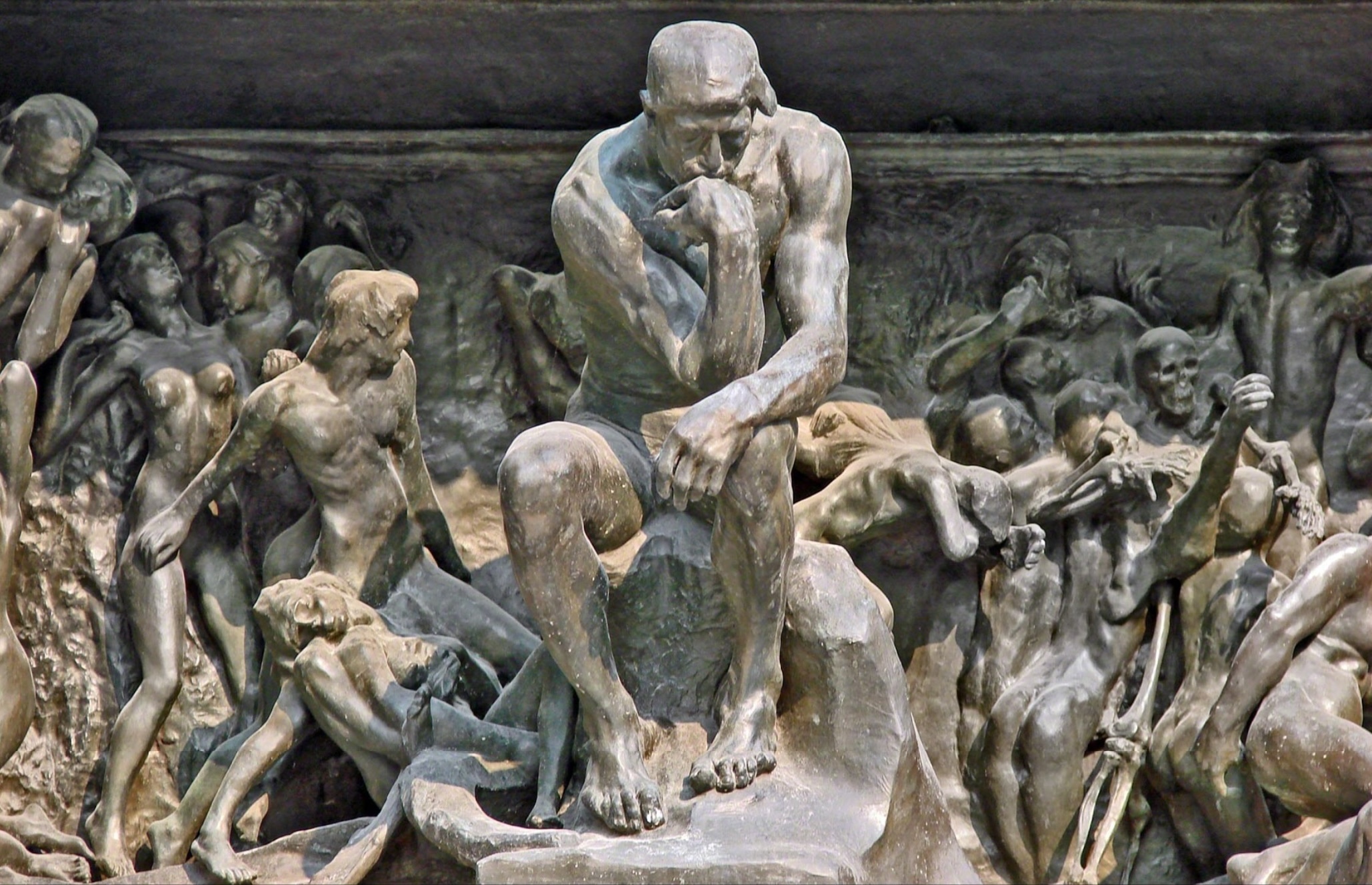
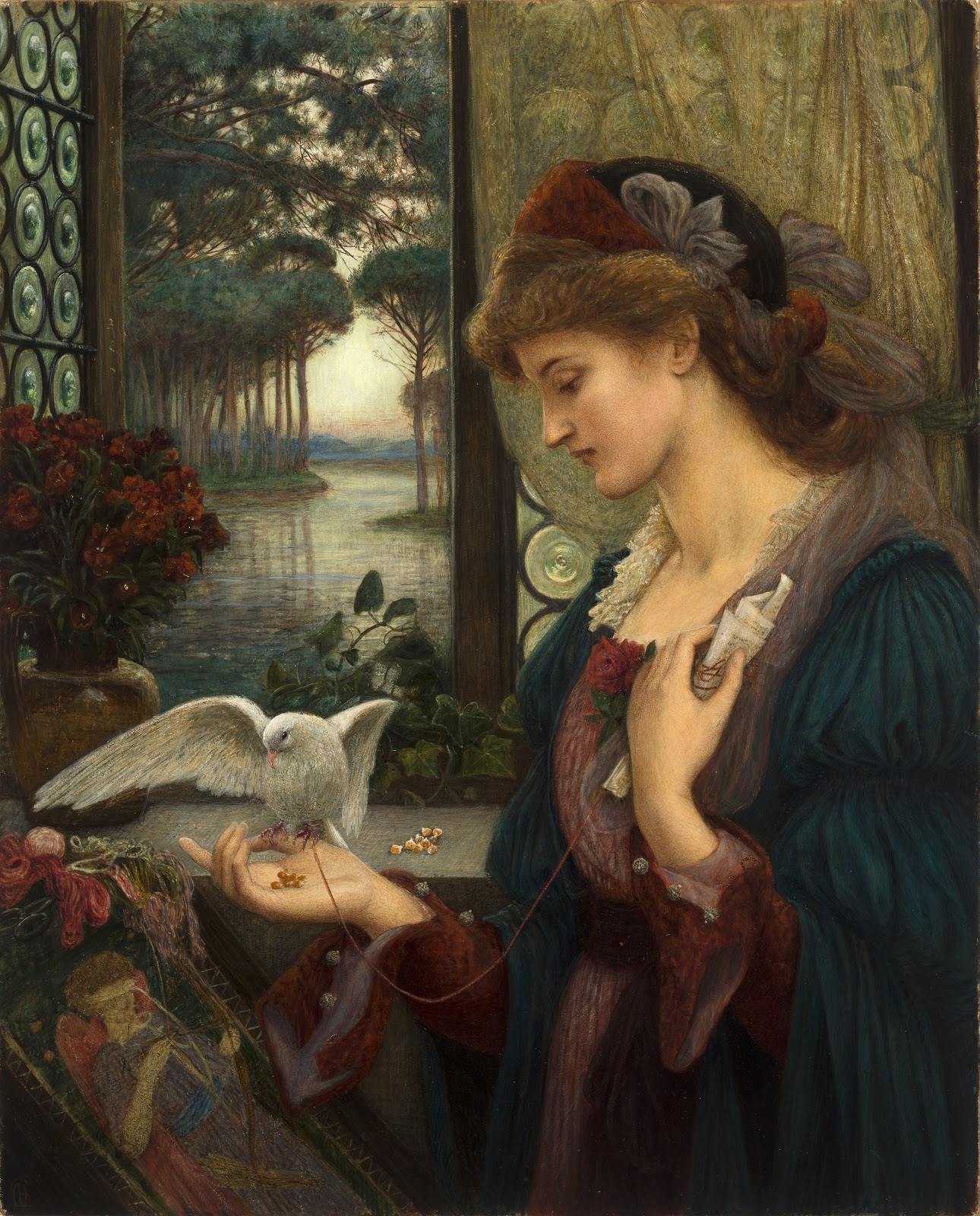
.jpeg)
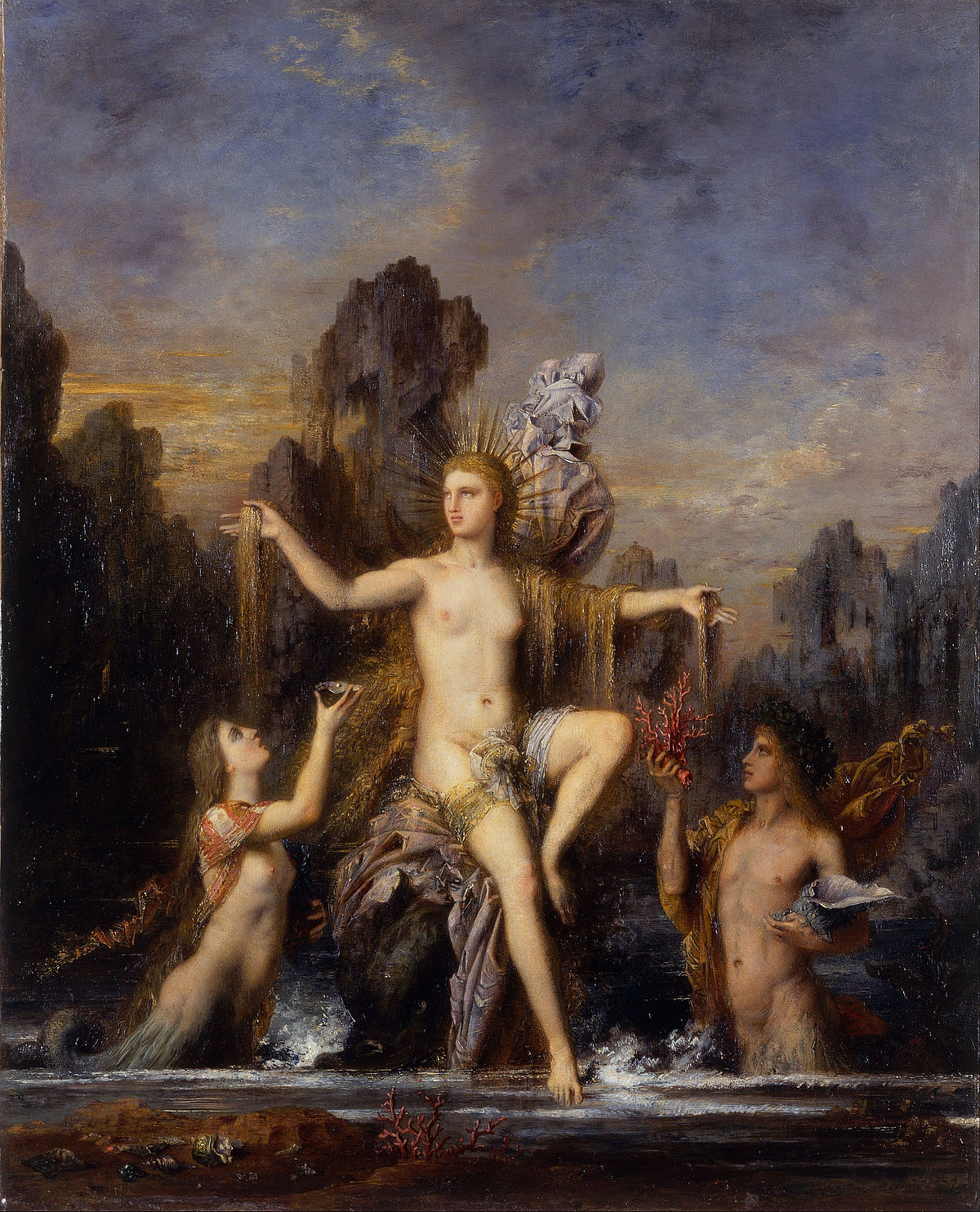
Jak Symbolizm zrewolucjonizował wyrażanie artystyczne?

Symbolism revolutionized art by rejecting realism’s focus on physical accuracy. It prioritized the emotional, spiritual, and subconscious, using metaphorical imagery to convey abstract ideas. This shift allowed artists to explore themes like dreams, mysticism, and human emotion in deeply personal ways.
Jakie były kluczowe inspiracje sztuki symbolistycznej?
Symbolist artists drew inspiration from literature, mythology, and spirituality, focusing on themes that transcended the material world. Their works often reflected influences from poetry, ancient legends, and the exploration of inner consciousness, creating a bridge between the real and the imagined.
Dlaczego Symbolizm jest istotny w historii sztuki?
Symbolism marked a critical departure from realism, emphasizing subjective interpretation and paving the way for movements like surrealism and expressionism. Its exploration of metaphysical themes and visual storytelling continues to inspire modern art, making it a timeless influence in creative expression.

Simona Niță
Copywritter
A passionate storyteller who loves turning ideas into words. When not writing, you’ll find me exploring, listening to music, or daydreaming about the next adventure.